




Most designers don’t lack talent. They lack courage. There’s always that little voice whispering: “What if this is too weird? Too bold? Too risky? What if the team hates it? What if users hate it? What if I hate it tomorrow?” And just like that, the idea that could’ve become the coolest part of the product dies quietly in a Figma tab.
The funny part? Users remember brave design far more than “safe” layouts. Safe design blends in. Bold design stands out, sparks emotion, and builds identity. The only thing standing between originality and fear is the willingness to try — and to accept that sometimes even smart risks turn into Mistakes, but those mistakes make you better. Let’s explore how to stop letting fear be the creative director of your work.
Why fear stops designers from growing
Fear is the ultimate productivity killer. It convinces designers to pick predictable solutions, stick to default patterns, and avoid anything that might raise eyebrows. It keeps portfolios full of decent work — but not great work.
Designers often worry about criticism from clients, managers, or even colleagues. But the biggest source of hesitation usually comes from the designer themself. Growth demands discomfort. And discomfort demands bravery. Playing it safe leads to sameness, not skill.
Every breakthrough in design history happened because someone ignored the voice of doubt. If bravery feels impossible, start with tiny risks. A tweak in layout. A slight shift in Color Schemes. A new motion pattern. Courage grows with repetition, not luck.
How familiar patterns become a trap
Patterns make life easier. They reduce cognitive load, help structure decisions, and speed up production. But over-relying on patterns turns creativity into autopilot. You stop designing and start copying.
The trap begins when patterns become excuses:
- “Users won’t understand anything else.”
- “This is the industry standard.”
- “Let’s not reinvent the wheel.”
But some wheels should be reinvented. Patterns were created by other designers who didn’t follow patterns at all — they invented them.
Breaking a pattern doesn’t mean ignoring UX principles. It means questioning the defaults. Ask why something is done a certain way. If the only answer is “everyone else does it,” that’s a sign you’re stuck.
Where is the line between courage and chaos
There is a line — and crossing it leads straight into confusion. Courage isn’t about making interfaces loud, complicated, or shocking. It’s about making them memorable without compromising clarity.
Bold design fails when it becomes unpredictable. Users enjoy novelty but hate confusion. Your goal isn’t chaos — it’s delight.
A great way to stay balanced:
- Keep core interactions familiar
- Add originality through visuals, motion, or storytelling
- Maintain consistency so ideas feel intentional, not random
Design courage is controlled experimentation. Like being adventurous in the kitchen but still checking the recipe so you don’t burn the house down
Why unconventional solutions strengthen brand presence
Safe design doesn’t build identity — it just fills space. The strongest brands are instantly recognizable because they commit to a look, a tone, a vibe. When done well, bold visuals turn into an emotional signature.
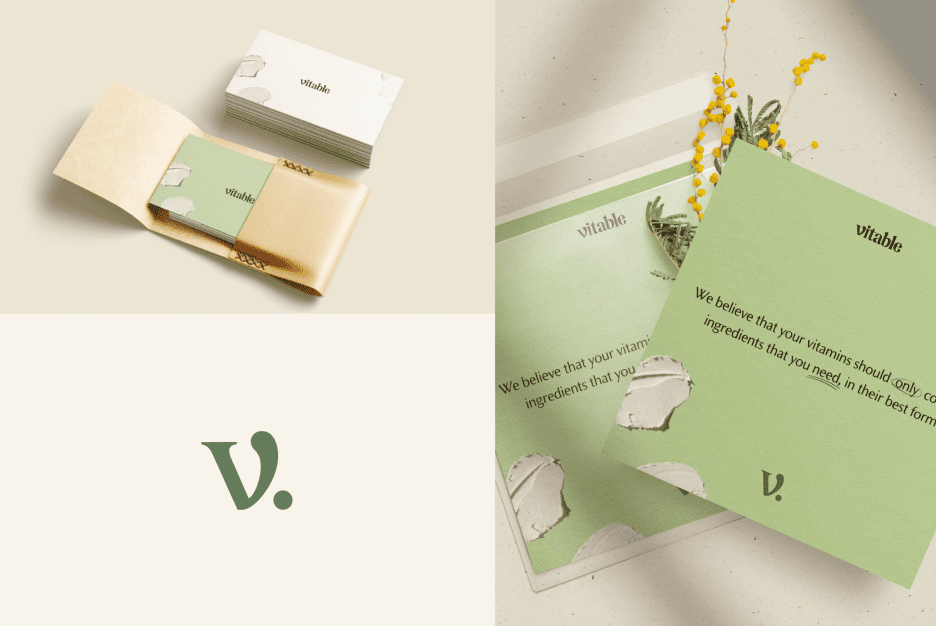
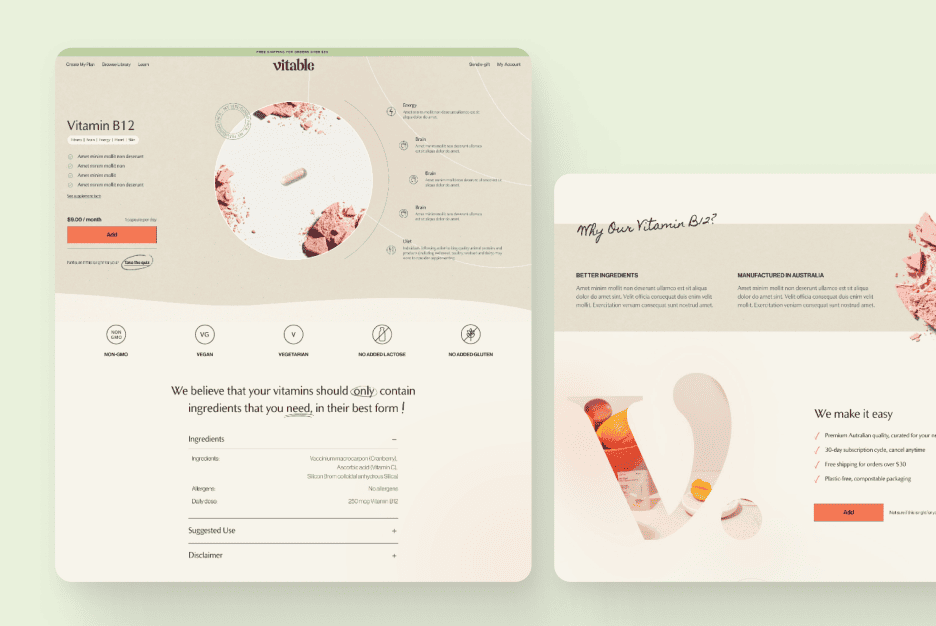
Unconventional ideas make the brand feel alive. They create intrigue, personality, and memorability. Even Eco-Friendly brands use bold creativity to communicate values — earthy textures, playful typography, unexpected color palettes.
If you fear standing out, you risk becoming invisible. And invisibility is death for a brand.
How to experiment without losing your users
Experimentation doesn’t equal recklessness. There are safe ways to push boundaries without turning your product into a UX disaster.
Before experimenting, consider these questions:
- Does the idea improve clarity or emotion?
- Is it consistent with the product’s purpose?
- Can users still complete tasks easily?
Once you validate the idea logically, you can test smaller variations. This lowers risk and helps you gather real feedback.
A simple process that works well:
- Prototype quickly
- Test on a small internal group
- Run a controlled A/B test
- Iterate based on real behavior
This way, creativity becomes data-backed instead of gut-driven — and the fear of “breaking something” drops dramatically.
Mistakes designers make when they’re afraid to push boundaries
Fear produces its own set of design flaws:
- Overusing templates
- Playing too quietly with color
- Sticking to predictable grids
- Designing ONLY for approval, not impact
Ironically, avoiding risk often leads to more Mistakes, not fewer. When everything becomes “safe,” the product feels generic, and users lose interest.
Safe design often ages faster, too. Trends shift, tastes change, and templated layouts start looking outdated within months.
The role of research in safe experimentation
Research is the safety net for bold ideas. It allows you to understand real user behavior instead of relying on assumptions. When you base experiments on insight, not guesswork, bravery becomes strategy.
User interviews, surveys, heatmaps, and usability tests help you see where you can push creativity without harming clarity. Research doesn’t kill originality — it sharpens it.
It also helps justify your choices to skeptical managers or clients. A bold idea backed by data becomes hard to argue with.
How inspiration from other industries helps break patterns correctly
Sometimes the best design ideas come from places completely outside digital. Fashion, architecture, cinema, product design — all of these sources provide fresh angles and rhythm. They stretch your imagination in ways UI trends never will.
Borrowing ideas from other industries doesn’t mean copying them literally. It means translating feelings, structures, and narratives into digital form.
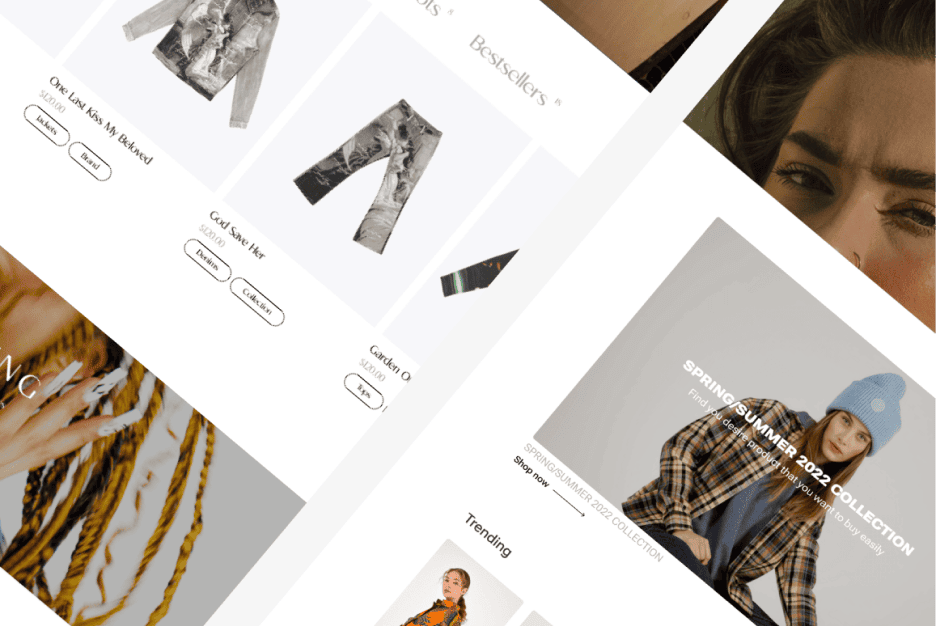
Want a calmer layout? Study zen interior design. Need a dynamic vibe? Look at streetwear branding. Trying to improve hierarchy? Watch how film directors guide attention.
Cross-industry inspiration is one of the most powerful weapons against creative stagnation.
Why teams fear bold ideas — and how to defend your concepts
Most teams don’t reject ideas because they’re bad. They reject them because they’re different. Humans love predictability — and teams are made of humans. Radical ideas trigger uncertainty, and uncertainty feels risky.
To protect your concept:
- Show research that supports your direction
- Present alternatives to compare impact
- Explain the emotional goal behind the decision
- Prototype so the idea becomes tangible
Confidence is contagious. If you believe in the idea, your team is far more likely to believe in it too.
Brand cases where unconventional choices led to success
Bold design has shaped many of the world’s most iconic brands.
Oatly flipped the dairy industry with bold typography, unusual packaging, and playful voice — all rooted in an Eco-Friendly mission.
Mailchimp embraced quirky illustrations and non-standard layouts, making them instantly recognizable in a sea of sterile corporate tools.
Spotify Wrapped turned bold graphics and daring motion design into a global digital event, proving that unconventional visuals can dominate culture.
These brands took risks — and those risks built loyalty.
How to build a habit of thinking boldly every day
Courage isn’t a secret talent; it’s a muscle. And like any muscle, it grows through constant training.
Here are a few ways to develop daily design bravery:
- Try one small unconventional choice in each project
- Keep a “weird ideas” folder for wild experiments
- Explore new Color Schemes weekly
- Study designs outside your comfort zone
- Revisit your old work and ask, “Was I too safe?”
Bold thinking becomes natural when it becomes routine. The more you challenge yourself, the more original your intuition becomes.
