
The design world has always moved fast, but now it feels like someone switched it to 5x speed. Tools evolve faster than we can memorize shortcuts, AI keeps swallowing mechanical tasks, and the entire industry is shifting in a direction where clicking pretty buttons in Figma is no longer enough. Designers aren’t just decorators anymore — they’re stepping into a strategic role where decisions matter more than deliverables. And honestly, it’s about time.
Why the Design Profession Is Undergoing the Biggest Transformation in a Decade
For years, design careers were built around execution. Make wireframes, polish layouts, export assets, pray that nothing breaks in handoff. But AI is smashing this model to pieces. The industry is experiencing a shift similar to what happened when desktop publishing replaced hand-drawn layouts — except way faster.
Today’s transformation forces designers to rethink their identity. Instead of clinging to old workflows, the best ones learn to orchestrate ideas, not layouts. The job is becoming less about producing screens and more about crafting direction, perspective, and meaning. The ones who adapt early will shape the next era. Those who don’t might end up wondering why the tools they mastered suddenly feel irrelevant.
How Automation Removes Routine and Frees Up Space for Real Thinking
Design used to be filled with repetitive tasks — resizing components, renaming layers, exporting endless variations. Now tools automate all of that. Some platforms even spit out full prototypes from a prompt. Draft UI? Done. Style tweaks? Automatic. Layout cleanup? One click.
This isn’t a threat. It’s liberation. Automation gives designers room to think, reflect, and analyze instead of drowning in pixel-pushing. The real value now comes from judgment — understanding what truly solves a problem, not just what looks clean on a Figma artboard.
The more busywork AI takes over, the more designers can finally do the job they were hired for: making sense, not just making shapes.
Why Creativity Is No Longer the Designer’s Biggest Advantage
Creativity used to be the ace card — the special sparkle that made designers indispensable. But today, AI generates wild, unexpected, sometimes absurdly brilliant concepts in seconds. If creativity means “producing ideas fast,” machines already beat humans.
So where’s the advantage?
It’s in filtering, not generating. It’s in choosing what aligns with strategy. It’s in seeing nuance that an algorithm misses — tone, brand truth, cultural sensitivity. Anyone can generate 100 layout ideas now, but only a human can decide which one actually moves the product forward.
That’s why originality is evolving. Designers don’t compete with machines in output — they compete in intention.
The Designer’s New Role as Interpreter of Data and Context
Design is becoming less about visual polish and more about reading signals. User behavior, market shifts, accessibility needs, content structure — designers now synthesize all of this into clarity.
AI may produce ten variations, but it doesn’t understand why people behave the way they do. It doesn’t know how different Generations react to a tone of voice, or which patterns trigger confusion, or why certain images feel off to certain audiences.
The designer becomes the interpreter — the one who shapes meaning, direction, and relevance. Data is raw material. The designer is the translator.
Why Understanding Users Matters More Than Mastering Tools
Designers used to obsess over tools — especially when new features came out. One day it was smart layout, another day it was variable Fonts, then a shiny update in Figma. But now tools matter far less than awareness.
Understanding human behavior is the new superpower. How people scan, pause, get frustrated, feel joy, recover from uncertainty — these patterns shape experiences more than any plugin.
People don’t care how polished a layout is if it doesn’t solve their problem. Empathy beats execution. Curiosity beats technical mastery. And designers who can read emotional cues will outpace those who stack visual tricks.
Why Strategic Thinking Is Becoming More Valuable Than Visual Skill
Visual skills remain important, but they’re no longer the main differentiator. Strategy is the new currency. It answers questions like:
- Why should this exist?
- What outcome does it influence?
- How does it support the business?
- What alternative solves this better?
Strategic thinking prevents design from becoming noise. It turns screens into systems. It makes a designer a partner, not a task-taker. Companies look for thinkers now — people who can map paths, not only polish pixels
How Working With AI Introduces New Responsibilities
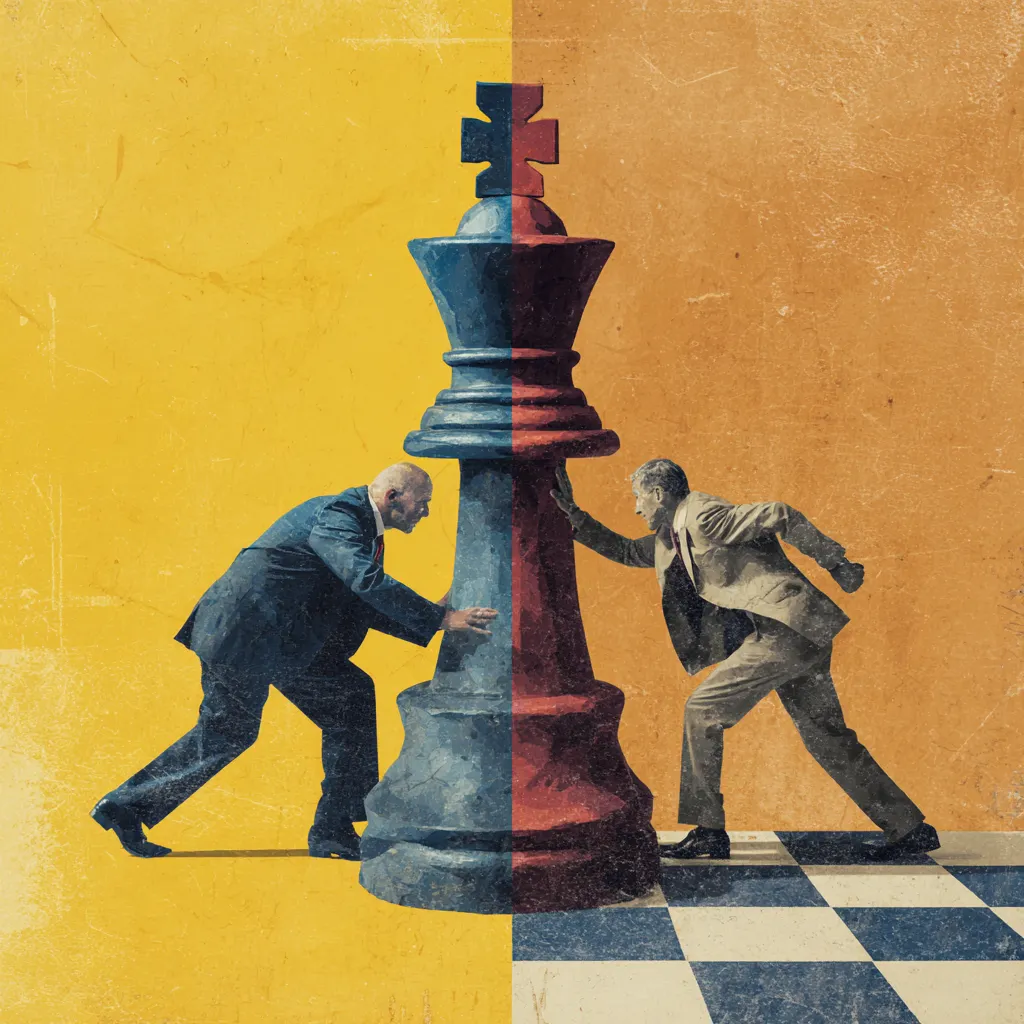
AI tools amplify design power but also amplify the consequences of poor judgment. Designers now carry responsibility for:
- Ethical use of data
- Avoiding harmful bias in recommendations
- Ensuring clarity instead of confusion
- Preventing manipulative patterns
AI doesn’t understand moral boundaries. It doesn’t pause in Silence to reflect on long-term impact. Designers must guide it. They become editors, not executors — guardians of decisions, not just visuals.
- Why the Design Profession Is Undergoing the Biggest Transformation in a Decade
- How Automation Removes Routine and Frees Up Space for Real Thinking
- Why Creativity Is No Longer the Designer’s Biggest Advantage
- The Designer’s New Role as Interpreter of Data and Context
- Why Understanding Users Matters More Than Mastering Tools
- Why Strategic Thinking Is Becoming More Valuable Than Visual Skill
- How Working With AI Introduces New Responsibilities
- How Algorithms Influence Design Decisions
- Why Designers Are Becoming Business Partners, Not Just Executors
- Which Skills Will Matter Most in an AI-Driven Industry
- Mistakes That Stop Designers From Adapting to the New Reality
How Algorithms Influence Design Decisions
AI nudges designers constantly. Recommendations, presets, smart layouts — they shape choices subtly. And while this speeds up workflows, it can also flatten creativity if used blindly.
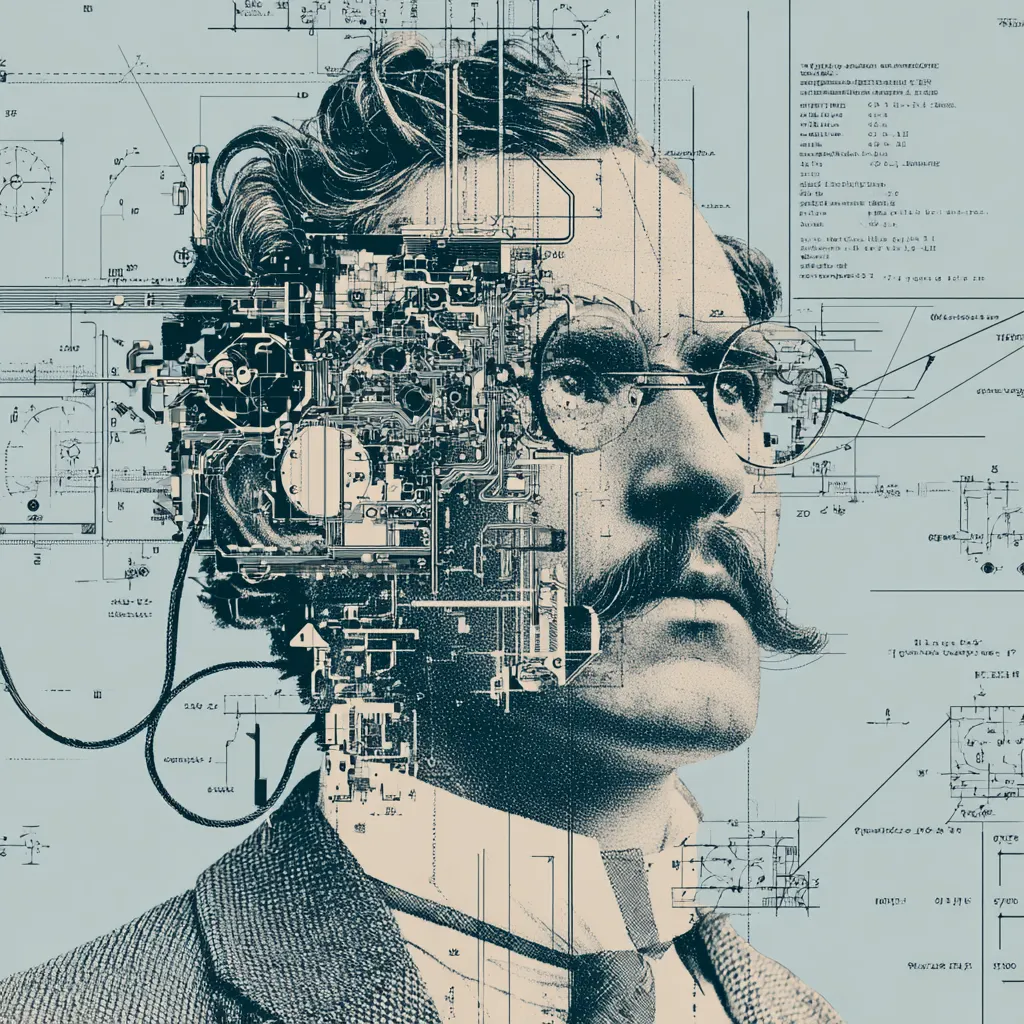
Great designers learn when to follow the algorithm and when to fight it. Algorithms simplify complexity, but they don’t understand culture, personality, or emotional depth. They don’t see the hidden layers that make design feel human.
The future belongs to designers who collaborate with AI — not surrender to it.
Why Designers Are Becoming Business Partners, Not Just Executors
More companies finally realize that design isn’t decoration — it’s decision-making. Designers influence product direction, customer retention, brand identity, and even long-term strategy. Their insights shape value, not just visuals.
This shift turns designers into collaborators at the table, not production workers behind it. They help define priorities. They shape narratives. They foresee risks. They contribute to the “why,” not just the “how.”
The more AI handles execution, the more designers shift into leadership.
Which Skills Will Matter Most in an AI-Driven Industry
To stay ahead, designers must develop skills AI can’t replicate. These include:
- Systems thinking
- Strategic reasoning
- Understanding human behavior
- Storytelling applied to interfaces
- Ethical decision-making
- Cross-functional communication
Technical strength is still useful, but judgment is priceless. Sensitivity to nuance makes designers irreplaceable — especially in work involving emotion, culture, and visual Style.
Mistakes That Stop Designers From Adapting to the New Reality
Transitioning into this new era isn’t smooth for everyone. Designers often fall into predictable traps:
- Clinging to outdated workflows
- Treating AI as a threat instead of a collaborator
- Over-focusing on aesthetics instead of outcomes
- Ignoring business impact
- Fearing experimentation
- Relying too heavily on Figma automation
These Mistakes shrink opportunities instead of expanding them. The designers who thrive are the ones who stay curious, keep learning, and step into roles where decisions matter as much as pixels.
