
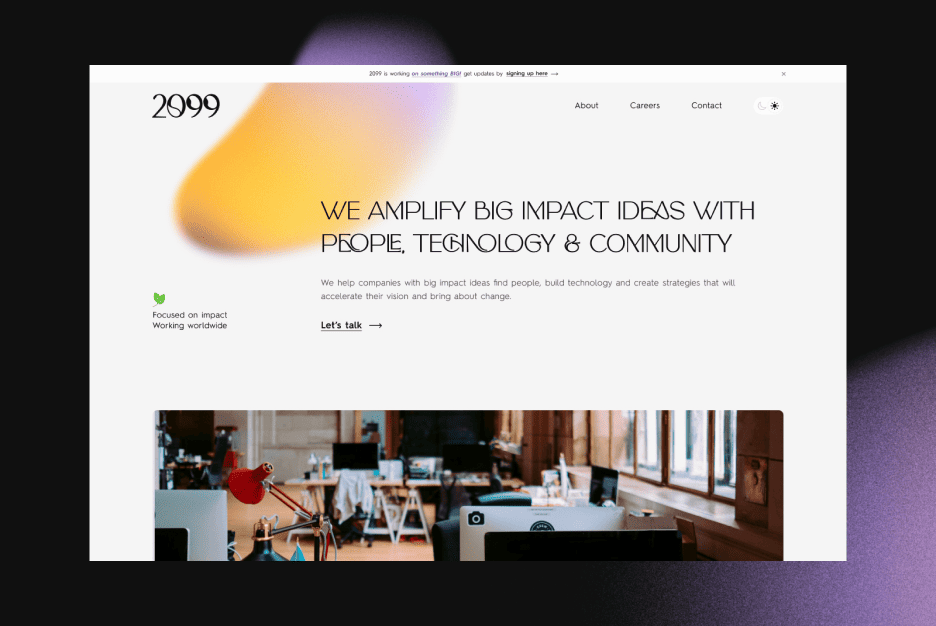
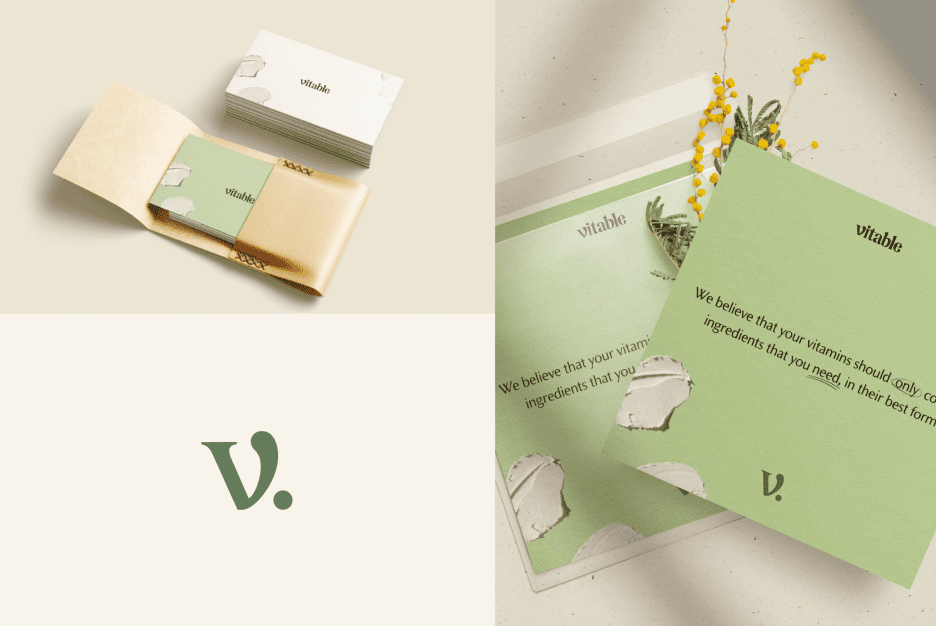

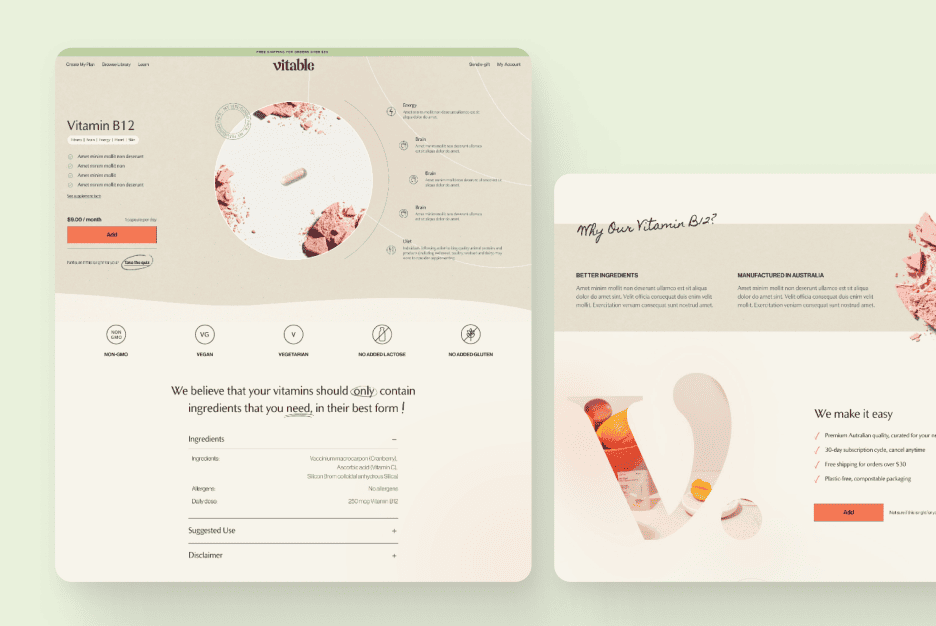





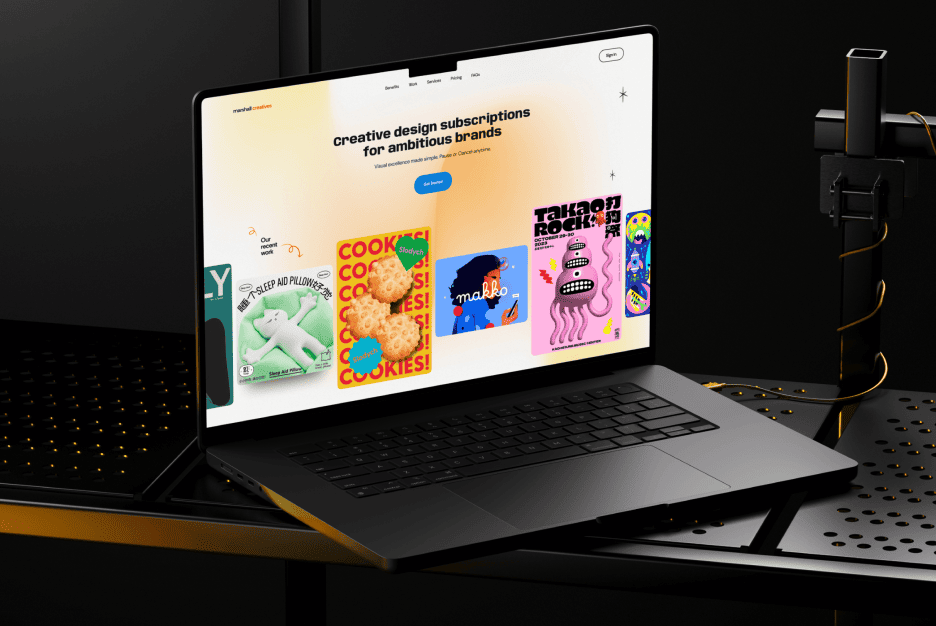
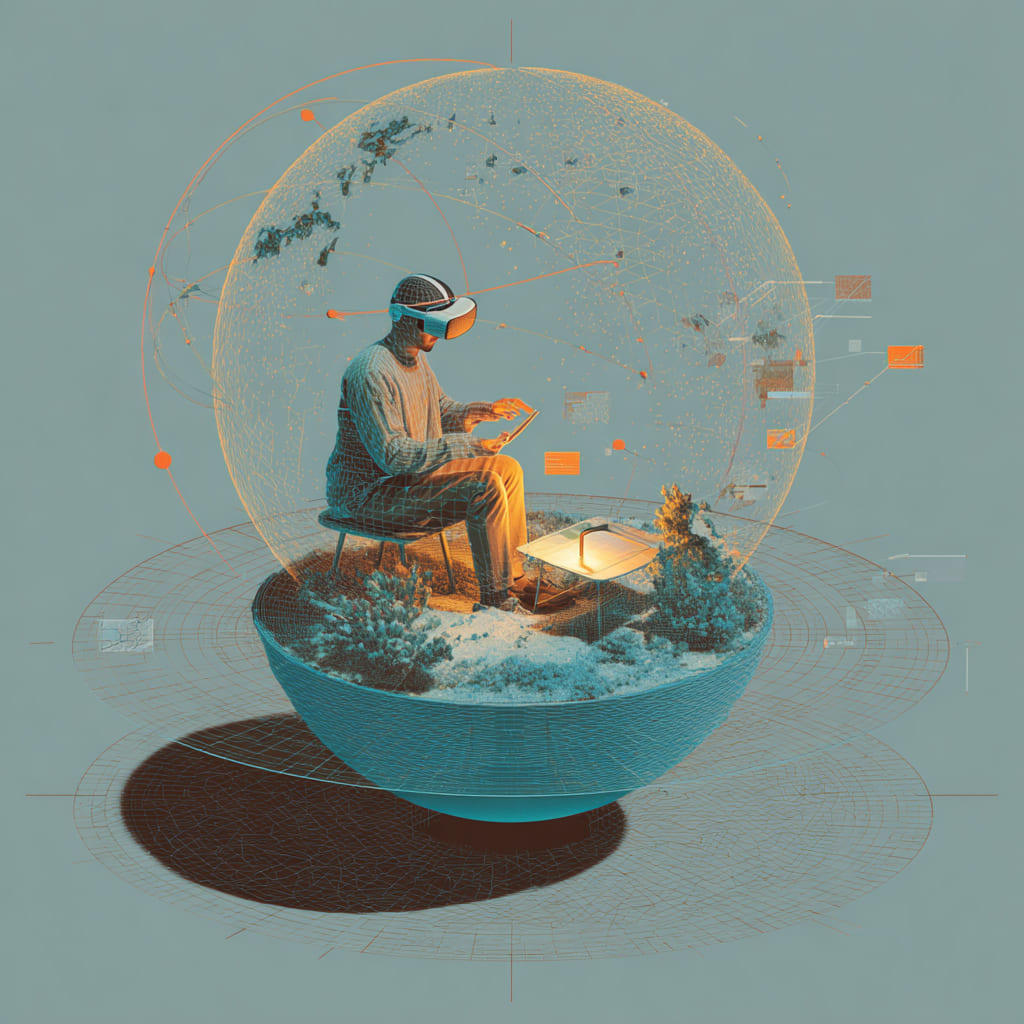
We all pretend we come to websites for information. Truth is, we come for feelings. We want to feel calm, curious, confident, maybe even a little inspired. And before we read a single line of text, our brain has already made a judgment. Photos do the heavy lifting here. They whisper “stay” or shout “leave” faster than any headline ever could.
Good images don’t just decorate a page. They change how the entire experience feels. They make digital spaces warmer, clearer, and more human. Let’s break down why photography matters so much — and why sites without it often feel… oddly empty.
Why Visual Quality Is Felt Before Content Is Read
Your brain is lazy in the best possible way. It’s built to scan, not to analyze. When a page loads, the first thing you register isn’t the copy or the structure — it’s the overall visual vibe. Sharp or blurry. Calm or noisy. Trustworthy or suspicious.
High-quality imagery sends a simple signal: someone cared. Someone spent time here. That feeling sets the mood for everything that follows. If the visuals feel thoughtful, users become more patient, more open, and far more forgiving toward the content itself.
How Photos Set the Emotional Tone in Seconds
Images work like background music in a movie. You may not consciously notice them, but they guide your emotions anyway. A warm portrait can make a product feel friendly. A quiet landscape can slow the reader down. A chaotic photo can raise stress levels without warning.
This emotional shortcut is powerful. Studies in cognitive psychology show that people form emotional impressions in under 100 milliseconds. Photography gets there first, long before logic joins the conversation.
Why Bad Images Destroy Trust Faster Than Typos
A typo feels human. A bad photo feels careless.
Low-resolution visuals, awkward crops, or outdated stock images instantly raise red flags. Users might not articulate it, but something feels off. If the site couldn’t get its images right, what else did it rush?
Trust is fragile online. One strange visual choice can undo ten well-written paragraphs. That’s why photography quality often matters more than perfect grammar.
How Good Photos Help Users Navigate Without Instructions
Strong images don’t just look nice — they guide. They show where to look next, what matters most, and how different sections connect. Visual cues reduce thinking, and reduced thinking equals comfort.
When photos support hierarchy and layout, users don’t feel lost. They flow naturally through the page. This is where Contrast plays a quiet but critical role, helping images separate sections and highlight priorities without shouting.
Why Real Images Feel Better Than Perfect Mockups
Perfectly staged visuals can look impressive, but they often feel distant. Real photos — with small imperfections, natural lighting, and genuine moments — create emotional closeness.
People trust what feels lived-in. Slightly imperfect imagery suggests honesty, effort, and reality. That’s why many brands are moving away from sterile perfection toward visuals that feel more like real life than glossy advertising.
How Photography Signals Care and Attention to Detail
Details matter because they signal intention. When images are thoughtfully chosen, consistently styled, and well-integrated, users feel taken care of.
This is especially important for premium brands. Luxury today isn’t about gold gradients or dramatic effects. It’s about calm confidence, clarity, and visual restraint. Good photography delivers that message quietly but effectively.
Why Visually Strong Websites Feel Simpler
Here’s a paradox: adding strong visuals often makes a site feel less complex.
Clear imagery reduces the need for explanation. It replaces long descriptions, shortens decision time, and makes pages easier to scan. Users don’t feel overwhelmed because visuals do part of the thinking for them.
How Images Shape the First Impression of a Brand
First impressions are brutal. You don’t get a second chance, and you don’t get much time either.
Photography defines whether a brand feels modern or outdated, friendly or cold, confident or insecure. Before a logo or tagline registers, the images have already spoken. And once that impression forms, it’s very hard to undo.

Why Authentic Photos Beat Stock Images Every Time
Stock photography isn’t evil — it’s just obvious. Users recognize clichés instantly. The same smiling teams, the same fake handshakes, the same impossible offices.
Authentic images stand out because they feel specific. They belong to someone. They tell a story instead of filling space. Even with the rise of AI-generated visuals, people still respond more positively to images that feel real and grounded.
How Visual Rhythm Through Photography Keeps Attention
Photos aren’t just isolated elements. They create rhythm — a visual pace that pulls users forward. Alternating sizes, changing perspectives, and intentional spacing prevent fatigue.
Before listing a few key elements, it’s worth understanding what makes this rhythm work:
- Variation in image scale keeps the eye moving
- Strategic placement creates pauses and emphasis
- Consistent tone prevents visual chaos
When rhythm is right, users scroll without realizing how far they’ve gone.
Why a Good Website Without Good Photos Still Feels Empty
You can have great layout, solid copy, and smart interactions — and still feel something’s missing. That “something” is usually emotional texture.
Photography brings life into digital space. It adds humanity, context, and warmth. Without it, a site may function perfectly, yet feel hollow. And people rarely fall in love with hollow things.
In the end, photos aren’t decoration. They’re emotional infrastructure. And when they’re done right, everything else works better.
