
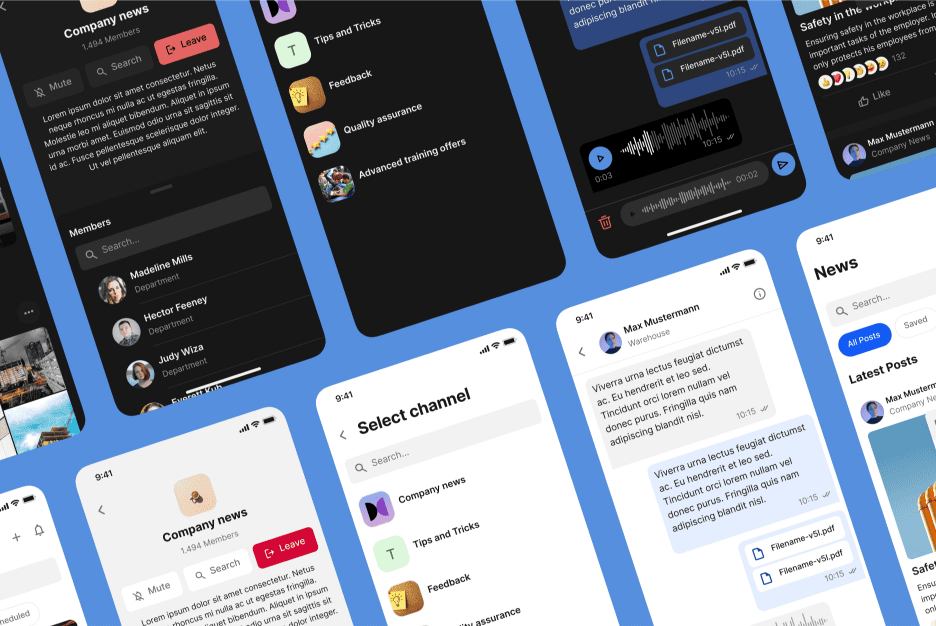
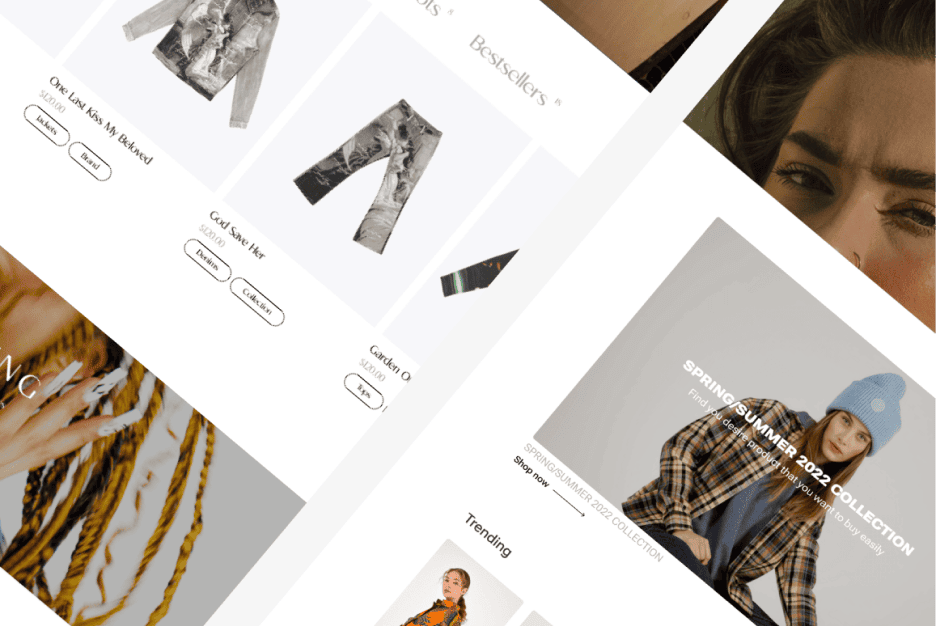
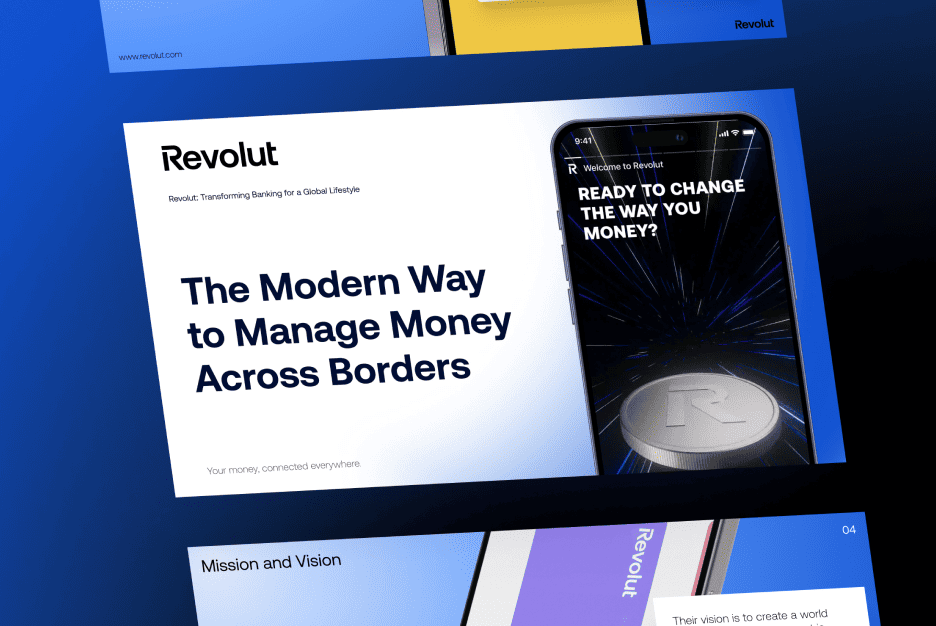
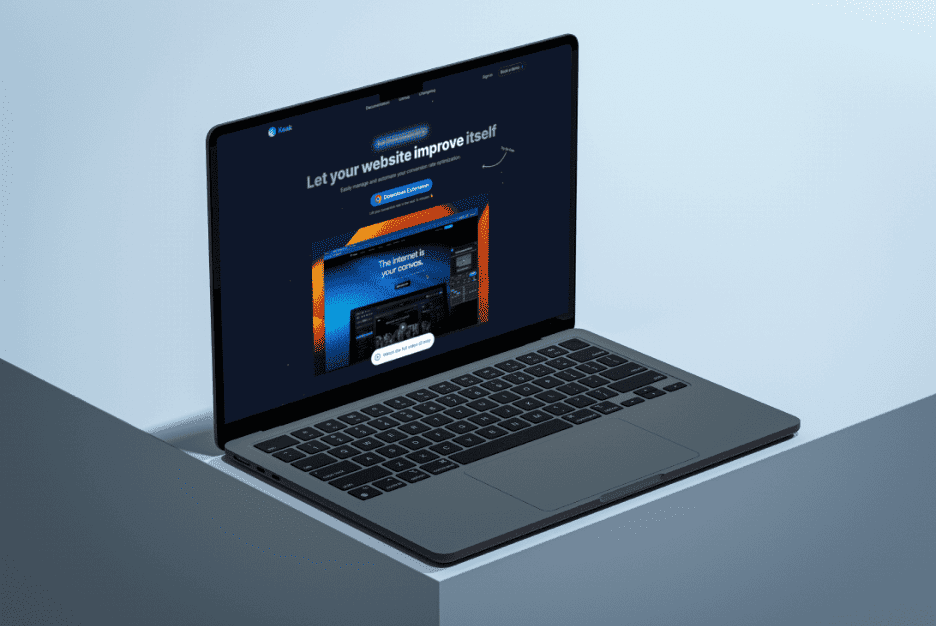

Visually, many websites look like twins. Same layout, familiar buttons, predictable sections. Yet one feels warm and inviting, while the other leaves you cold and slightly annoyed. Is it magic? Not really. It’s psychology, memory, and a bunch of subtle signals your brain grabs before you even notice. Let’s break down why this happens—no boring theory, just real observations and a bit of humor along the way.
Why identical design doesn’t mean identical perception
The same grid, similar navigation, matching blocks — that doesn’t guarantee the same emotional response. People don’t experience a website like a blueprint. They feel it like a space. And that space can feel cozy, tense, friendly, or awkward, even when the visuals are almost copy-paste.
UX studies show something wild: users need less than a second to form a first impression. In that blink, the brain already decides whether it likes the place or not. Logic barely gets a vote here. Instinct runs the show, backed by expectations and past experience.
The brain loves familiarity but senses nuance
We trust familiar patterns because they save mental energy. At the same time, we instantly catch tiny shifts — an odd emphasis, a stiff tone, a strange visual rhythm. You may not articulate it, but the feeling lands immediately.
How brand energy is felt even through a template interface
A template is just a skeleton. The real personality shows up when a brand fills it with meaning. The same layout in different hands can become either a lifeless office hallway or a place you actually want to hang out in.
That “energy” comes from dozens of quiet signals: wording, pacing, visual choices. Even the selection of Fonts can subtly hint whether you’re dealing with a bold challenger or a cautious corporate veteran.
Emotions aren’t drawn in Figma
You can’t just drop them into a layout. They appear through attitude. When a brand speaks to you like a human instead of a legal document, you feel it instantly.
Why context changes how the same website feels
Picture this: you open a site in the morning with coffee, or late at night after a rough day. Same screen, totally different reaction. Context matters more than most designers like to admit. Mood, purpose, even the device you’re using — all of it shapes perception.
There was an experiment where people evaluated the same interface under different scenarios. The “usability” scores were wildly different. Simple takeaway: design doesn’t exist in a vacuum, it lives inside a situation.
Expectations shape the experience
If you came for a quick answer and the site starts philosophizing, frustration is guaranteed. But in a relaxed moment, even a complex structure can feel reasonable.
How tone, rhythm, and details create different moods with the same structure
Two websites can share the exact architecture yet feel like different movie genres. One plays like a light comedy, the other like a serious documentary. The difference lies in delivery.
Tone of voice, sentence length, spacing between blocks — it’s all about rhythm. When it flows, you keep reading. When it drones, attention disappears. Even a carefully handled Contrast between elements can add energy or flatten everything out.
Details aren’t decoration
Micro-elements work like facial expressions. They don’t shout, but they communicate a lot. And those are usually what people remember.
Why we “read” a brand’s character faster than we realize
The human brain is a lazy genius. It loves shortcuts. That’s why we pick up a brand’s character almost instantly, long before we consciously analyze anything.
Neuro-marketing research confirms it: emotional reactions come before rational judgment. First comes “I like this” or “nope,” and only after that do we try to explain why.
Intuition beats logic to the punch
That’s why it’s so hard to fix a bad first impression. If the feeling is off, arguments rarely help.
How small visual details build trust or push people away
Tiny flaws can ruin everything. Uneven spacing, sloppy icons, weird animations — the brain translates that as carelessness. And carelessness feels risky.
On the flip side, neat little details create a sense of care. Users might not notice them consciously, but trust quietly grows. It’s like showing up to a meeting in a clean shirt — small thing, big effect.
Trust grows quietly
It doesn’t come from loud promises. It’s built from dozens of silent “everything feels right” moments.
Why one site feels alive and another feels empty with the same design
“Liveliness” isn’t about flashy effects or trendy animations. It’s about dialogue. A sense that the site reacts to you, not just displays information.
Interestingly, content generated by AI often looks polished but feels soulless. Not because the tech is bad, but because there’s no personal context or human intonation behind it.
Life comes from imperfection
A slight asymmetry, an unexpected phrase, a human joke — these things add warmth.
How past experience with a brand affects interface perception
If you’ve had a good experience with a brand before, you’re more forgiving. Small issues slide by unnoticed. But a negative history turns every tiny flaw into proof you were right all along.
That’s the anchoring effect. Nobody arrives at a website with a blank slate. Memory comes along for the ride and actively shapes judgment.
Reputation walks in before design does
Sometimes the interface isn’t even the problem, but the verdict is already set.
Why templates work differently in different teams’ hands
A template is like a recipe. One chef creates a masterpiece, another delivers something edible but forgettable. The difference lies in care and intention.
Teams that think about real people, not just deadlines, squeeze maximum value from templates. They adapt, tweak, and refine. Others just assemble pages.
Before using a ready-made solution, it helps to ask:
- Why will someone come here?
- What should they feel in the first few seconds?
- Which emotions do we absolutely want to avoid?
How brand meaning and values show up even in standard solutions
Values aren’t a page called “About Us.” They show up in word choices, honesty, and how a brand handles mistakes. Even a basic contact form can communicate respect—or indifference.
When meaning is clear inside the team, it leaks out naturally. No slogans needed. Users sense it.
Authenticity is hard to fake
Even the most polished interface won’t save you if there’s nothing behind it.
Why design isn’t a shape but a feeling that stays after interaction
In the end, people rarely remember specific buttons or sections. What sticks is how they felt. Calm, comfortable, irritated, bored. That aftertaste is the real outcome of design.
A good website feels like a good conversation. You don’t analyze every word, but you walk away thinking, “That was nice.” And that feeling is exactly why people come back.
